How to Choose the Right Dog Training Class
The best class is the one that fits your dog's age, your goals and your schedule, and there are a lot of options to sort through.
October 17, 2026 · 4 min read
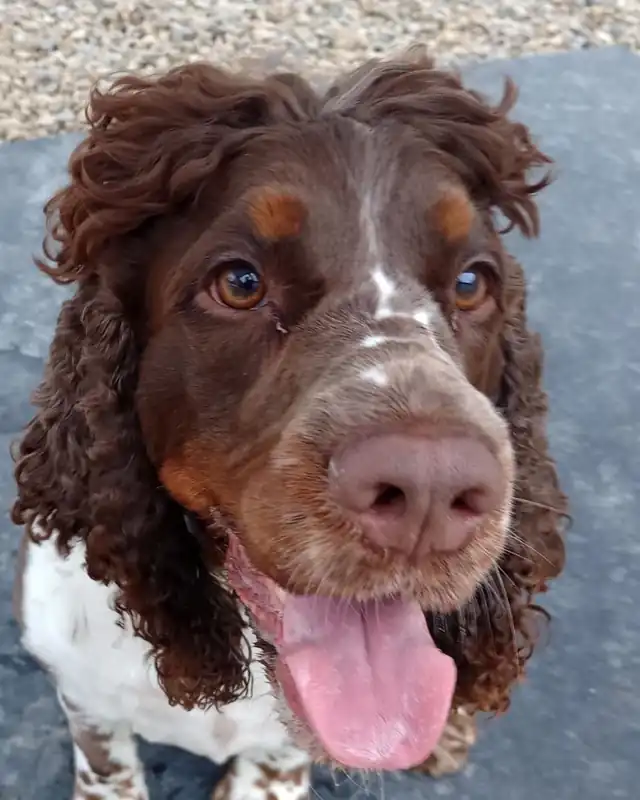
Walk into a training center for the first time and the schedule can look like alphabet soup. Puppy class, beginner obedience, companion training, nose work, rally, breed handling. Which one is right for your dog? The honest answer starts with what you want out of it. Here's a plain-English guide to the classes offered at Champion Kennels in Sterling, and how to match one to your dog.
Start with your dog's age and your goal
A twelve-week-old puppy and a four-year-old rescue need different things. A young puppy needs good early experiences, a first look at basic manners, and a calm place to meet other puppies. An adult dog who pulls on the leash needs everyday manners that hold up outside the classroom. A high-energy dog who is bored at home might need a job to do. Decide what you want most: manners, confidence, a sport, or something fun to do together on a weeknight.
Puppy class
Puppy class with Diane King runs Friday evenings from 6 to 7 PM. It's meant for large breeds up to 4 months old and small breeds up to 5 months. The age cutoffs matter, because puppies in a class this young should be at a similar stage, and the earlier you start, the more useful it is. Diane has more than 25 years in dog training, holds the CPDT-KA credential, and works with clicker and positive training methods.
Obedience and companion training
Sharon Pasquale teaches obedience on Monday afternoons and evenings, with Beginner 1 and 2 at 5:30 PM and Intermediate or ongoing classes at 4:15 and 6:30 PM. Her classes use positive methods, with treats and training collars. If you want a dog who sits, stays, comes when called and walks nicely, this is the core curriculum.
Companion training with Janet Dexter takes a slightly different angle, built around treats, toys and clickers. Beginner and Intermediate classes meet on Tuesday evenings, and there's a daytime class on Wednesday mornings from 10 to 11 for all levels, which suits anyone who can't make an evening. Janet has trained dogs professionally since 1997 in obedience, rally and agility, and holds the CPDT title. When you're picking between a trainer and a class, look for experience like that and ask how they work with a dog who gets stuck.
Sport and enrichment classes
For dogs who need more than sit and stay, there are several options. Nose work with Jennifer Jackson runs at Intro, Intermediate and Advanced levels. Dogs use their noses to find hidden scents, which tires out a busy mind quickly. Call for times. Breed handling is a Tuesday drop-in with Debra Metcalf Morris, with small breeds and puppies at 1 PM and large breeds at 2 PM. And Sue Niford runs a drop-in Rally Run-Thru on Friday afternoons from 1 to 2 PM; call or text by Thursday if you plan to come.
Drop-in sessions are a low-pressure way to try something new before you commit to a full course. If you're torn between two options, start with the one that matches your dog's energy. A dog who is easily overstimulated may do better in a smaller, quieter obedience class, while a dog with energy to burn often loves nose work or rally. You can always add a second class later.
Questions to ask before you sign up
- What methods does the trainer use, and will they explain them before class starts?
- How many dogs are in the class, and is the size limited?
- Is the space comfortable year-round for dogs and people?
- What does the course cost, and when is payment due?
- Is pre-registration required, and what vaccine records do you need?
At Champion, classes are held in an air-conditioned training building, class sizes are limited, and pre-registration is required. Six-week courses are $190, with payment due in advance. Private lessons are also available; call for availability and pricing. They can suit a dog who finds groups overwhelming, or an owner whose schedule doesn't line up with the weekly classes.
What good training looks like
Whichever class you pick, the best ones share a few traits. The trainer explains why, not just what. Classes use rewards to show the dog what you want rather than punishment for what you don't. The group is small enough that you get real feedback. And you leave with homework, because training happens mostly at home, in short sessions, a few minutes at a time. Consistency matters more than intensity. Ten minutes a day beats an hour on Sunday.
Not sure where your dog belongs? Call the office at (978) 422-3100 or text 978-990-3364, describe your dog and what you're hoping for, and ask which class fits. One conversation is usually enough to point you to the right starting place.
Champion Kennels, (978) 422-3100
Call (978) 422-3100More articles
Your Dog's First Boarding Stay: A Checklist That Actually Helps
The first overnight is harder on the owner than the dog, and a bit of preparation takes most of the worry out of it.
Booking Pet Boarding for Summer and School Vacations
Boarding fills in predictable patterns, and a few minutes of planning keeps your dates from becoming a scramble.